

Summer afternoons
Lotus leaf was a hot-weather drink. Brew it strong, let it cool, pour it over ice.


Traditional Chinese herbal formula
Couldn't load pickup availability
Verified Loox reviews
★★★★★
"Nice"
★★★★★
"One thing I’ll say for sure and for certain is that this product is true to description. It is nice and pleasant on the taste, it’s like sweet tea, I drink it every other 3 days or probably twice a week, in comparison to my mum…"
★★★★★
"First introduced to this company by trust pilot reviews The product I purchased was totally authentic compared to the fake product I was buying elsewhere Which made me ill I will not buy from anyone else So much so I’ve promoted…"
★★★★★
"Not sure about weight loss, a bit too early but definitely works to keep things regular! Very pleasant especially with honey. Great value so will be buying again. Much better than other detox teas I’ve tried."
★★★★★
"i've been using fei yan tea for more than a week now and i am loving it. I used it twice a day and its not that usual slimming tea that gives u tummy pain. I will definitely purchase again. Thanks!!!"
★★★★★
"The staff are kind, helpful & actually listen & care for their customers wellbeing."
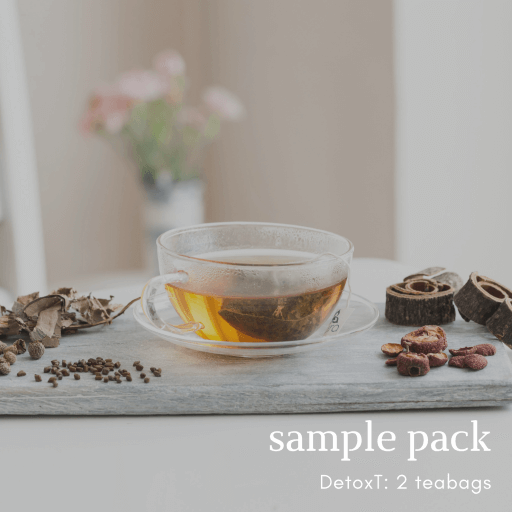
Lotus leaves are huge. Properly huge, wider than a dinner plate, and in southern China they've been used in the kitchen forever. Dim sum fans will know lo mai gai, sticky rice steamed inside a folded lotus leaf so it picks up that grassy, slightly smoky perfume. Dry the same leaf, cut it up, and you've got the base of this tea.
Cassia seed (jue ming zi) is the odd one out to look at. Little shiny brown seeds, a bit like chopped-up coffee beans. Roast them and they smell nutty and toasty, and in Korea they're brewed on their own as gyeolmyeongja-cha, a roasted seed tea a lot of families keep in the fridge. Hawthorn you might know from Beijing street stalls, where the red berries get dipped in sugar syrup and sold on sticks.
Then there's the bitter orange flower. In Chinese it's dai dai hua, roughly 'generation after generation', because last year's fruit often hangs on the tree next to this year's. We think that's a lovely name. It brings the smell, more than anything.
In Chinese medicine
Chinese herbalism sorts plants by taste and temperature, not by nutrients. Lotus leaf is listed as bitter and on the neutral side, and it's long been a summer plant, the sort of thing people brewed when the weather got heavy and sticky. Damp, in the old language.
Hawthorn's the sour one. Herbalists have tied it to the Stomach for centuries and it's traditionally been brewed after rich, meaty food (you'll see why when you taste it, it's sharp). Cassia seed is classed as cool, and in the books it's linked to the Liver and the eyes, hence its name, which means something like 'bright seed'.
Raspberry leaf and orange flower are there mostly for the cup, honestly. The leaf rounds things off and the flower lifts the smell. Not every ingredient needs a grand backstory.
Tea traditions
How people have drunk teas like this one, in China and further afield. It's tradition and habit we're describing, not promises about what a tea will do for you.
Lotus leaf was a hot-weather drink. Brew it strong, let it cool, pour it over ice.
Sour hawthorn teas have long been poured once the plates are cleared. Ours too, if you fancy.
Roasted cassia seed gives a toasty, almost coffee-ish note, minus the caffeine.
No caffeine at all, so it's an easy one for after the telly goes on.
This section describes traditional and everyday use. DetoxT is a herbal tea, not a medicine, and isn't intended to diagnose, treat, cure or prevent any disease.
Inside the bag · Ingredients
Everything is dried whole plant material, no flavourings. Percentages show how much of each is in the blend.
Base
Lotus leaf makes up the biggest share, and cassia seed adds the roasted backbone.
Fruit
Hawthorn brings the tang, and it's what turns the tea a faint rosy amber.
Leaf and flower
Palmleaf raspberry leaf for a soft finish, then bitter orange buds for the smell.
How to take
Pop one tea bag in your mug or pot. You can usually get a second, lighter brew out of it.
Pour on freshly boiled water and leave it be. Longer gives you more of the sour hawthorn.
None at all, so morning, evening or over ice in July. Up to you.
Cassia seed has a gentle laxative reputation, so stick to a few cups a day. Pregnant, breastfeeding or on medication? Check with your GP or pharmacist first.
Choosing between them
| Compare | DetoxT | Fei Yan |
|---|---|---|
| Main plants | Lotus leaf, cassia seed, hawthorn | Lotus leaf, luffa, oolong, gynostemma |
| Number of ingredients | 5 | 10 |
| Caffeine | None | A little, from oolong and genmaicha |
| Flavour | Toasty and sour, with orange blossom | Smooth and grassy, a touch of roasted rice |
| Sweetness | Unsweetened | Naturally sweetened with stevia leaf |
Toasty first (that's the roasted cassia seed), then a sharp little hit of hawthorn, and a hint of orange blossom at the end. Not bitter, not sweet. If you like roasted barley tea you'll probably get on with it.
None. There's no tea plant in here at all, just lotus leaf, seeds, fruit, leaf and flower buds.
It's the name it has always had in our tea range, so we've kept it. On this page we'd rather talk about what's actually in the bag and how it tastes.
A few a day is plenty. Cassia seed is known for a mild laxative effect, so it's not one to drink by the jugful, and if your tummy disagrees, stop.
Pregnant, breastfeeding or under 18? Please skip it, sorry. Cassia seed and hawthorn are both traditional herbs, and hawthorn in particular isn't one to mix with heart or blood pressure medicines without asking, so do have a word with your GP or pharmacist if you take anything regularly.
Yes, and we'd say it's better that way in summer. Brew two bags in a jug, let it cool, add ice and a slice of orange.
More from our tea shelf
Verified Loox reviews
DetoxT is a herbal tea, not a medicine. It isn't intended to diagnose, treat, cure or prevent any disease. Enjoy it as part of a varied, balanced diet and a healthy lifestyle, and keep it out of reach of children.


