
After a big dinner
Plates cleared, kettle on. That's when Chinese families have tended to brew hawthorn and peel.


Caffeine-free herbal tea
陈皮 · Citrus Peel & Hawthorn Herbal Tea · also known as
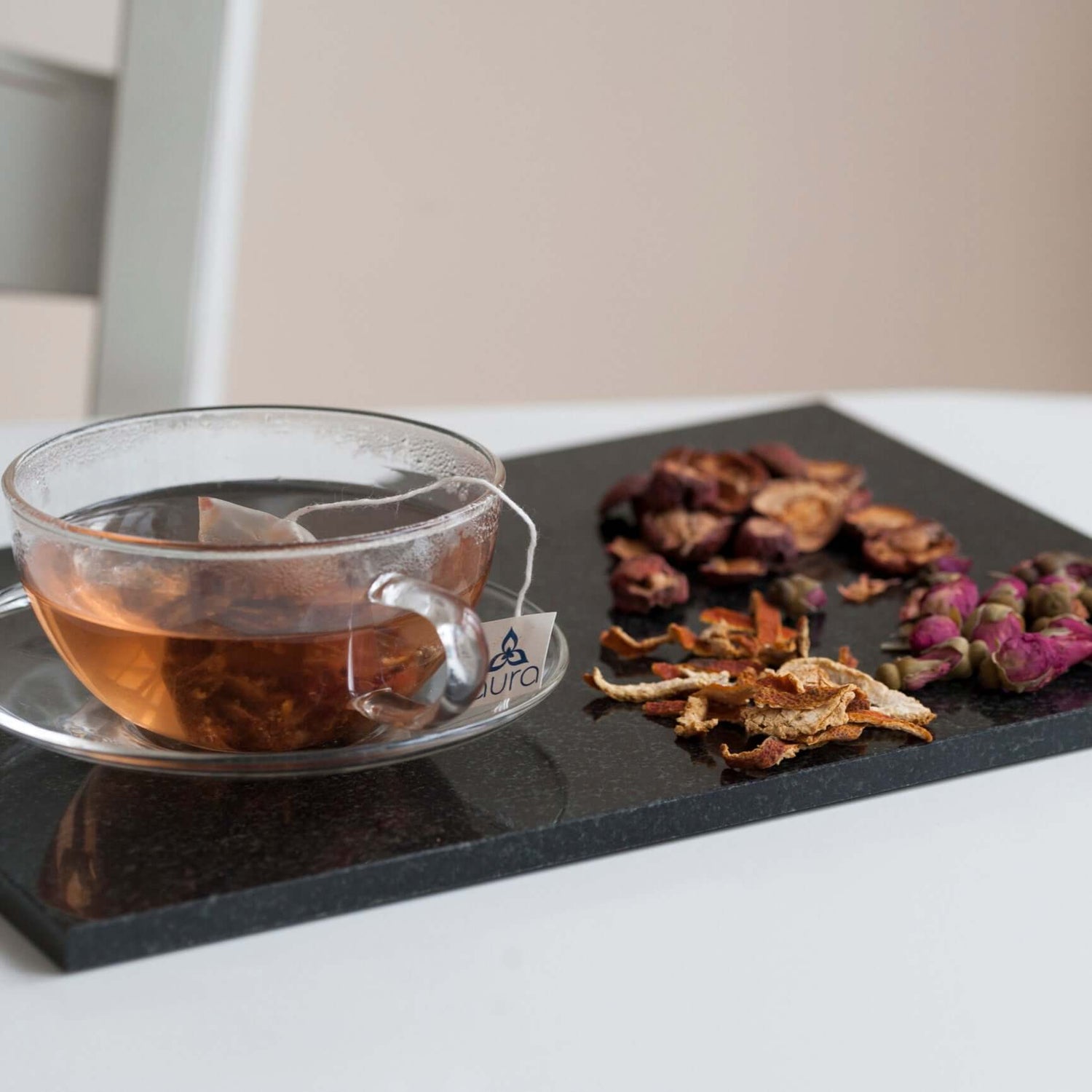
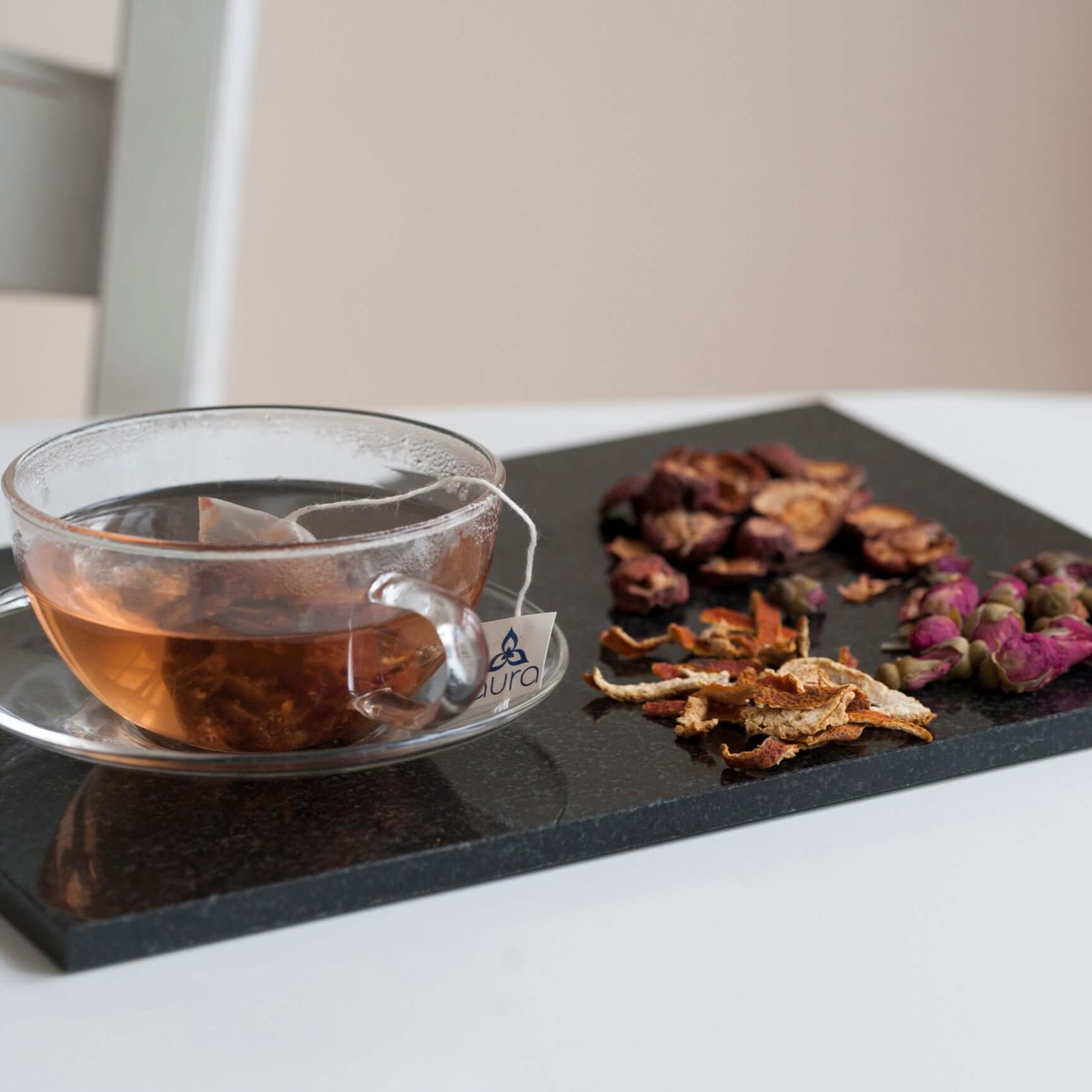
DigestiveT is a fruity, tangy after-dinner tea. Dried citrus peel leads, then hawthorn fruit, then two flowers: roselle, which turns the cup ruby red, and globe amaranth, which looks like a little purple pompom.
Four ingredients, no caffeine, nothing artificial. Three to five minutes in freshly boiled water. Explore the formula
Couldn't load pickup availability
Verified Loox reviews
★★★★★
"Tastes just amazing and lasts several brews. My favourite tea now!"
★★★★★
"Very helpful in supporting my health and I am so glad that my Acupuncturist recommended them to me! x"
★★★★★
"Not sure about weight loss, a bit too early but definitely works to keep things regular! Very pleasant especially with honey. Great value so will be buying again. Much better than other detox teas I’ve tried."
★★★★★
"The staff are kind, helpful & actually listen & care for their customers wellbeing."
★★★★★
"Very very quick delivery. Placed order in evening and order was with me next morning. Can’t fault it at all very impressed!"
★★★★★
"I love that aura nutrition comes in brown glass bottles always fast delivery. Like having a Chinese Dr in your pocket. Thank you"
Chen pi literally means 'old peel'. In Xinhui, in Guangdong, people have been drying mandarin peel in the sun and leaving it to age for years (decades, sometimes), and the good stuff fetches serious money. A lot of Cantonese cooking leans on it. Red bean soup, braised duck, you name it.
Hawthorn is the other old Chinese favourite here. Kids in Beijing grow up on tanghulu, hawthorn berries coated in crackly sugar on a stick, and on haw flakes, those little pink discs in paper rolls. It's sour, honestly quite sour, which is why it was traditionally reached for after heavy meals.
The two flowers travelled further. Roselle is a hibiscus that's brewed as karkadé in Egypt and agua de jamaica in Mexico. As for globe amaranth, the Chinese call it qian ri hong. A thousand days red. Dry the heads and they just keep their colour, more or less forever.
In Chinese medicine
In Chinese herbalism, digestion is the business of the Spleen and Stomach. And both chen pi and hawthorn have been tied to that pair for centuries. Aged peel is described as pungent, bitter and warm. Hawthorn is sour and a little sweet.
That's really the logic of the tea. Old peel for its warm, fragrant edge, hawthorn for its sharp tang, and both with a long history of turning up at the end of a meal. Herbalists talk about food 'stagnating' after rich dishes. We'd probably just say we ate too much.
Roselle and globe amaranth? They're mostly for the look and the smell. Take them out and you'd have a rather brown cup. Leave them in, it goes red and smells of berries.
The Five Elements
Of the five old elements, Earth's the one that gets the Spleen and Stomach. It sits in the middle of everything, rather like the kitchen table does, so we reckon an after-dinner tea belongs here.
Late summer
Earth's own season, those heavy, golden weeks at the end of August.
Spleen
Paired with the Stomach. Between them they run digestion in this system.
Yellow
Go and look at a ten-year-old bit of chen pi. Not orange any more. More like dark honey.
Sweet
Hawthorn has a little, hiding under all that sourness.
Worry
Overthinking, chewing things over. Funny how the language matches.
Tea traditions
How people have enjoyed these plants over the years. We're talking about tradition and habit, not health claims.
Plates cleared, kettle on. That's when Chinese families have tended to brew hawthorn and peel.
Had a Cantonese red bean soup? Then you've tasted chen pi already, you just didn't know.
Roselle is drunk cold across Africa and Latin America, and it's gorgeous over ice.
Haw flakes and candied hawthorn come out at Chinese New Year. Hard to eat just one.
This section describes traditional and everyday use. DigestiveT is a herbal tea, not a medicine, and isn't intended to diagnose, treat, cure or prevent any disease.
Inside the bag · Ingredients
Just peel, fruit and two kinds of flower in here, nothing artificial. The figure next to each one is its share of the bag.
Fruits
Citrus peel gives the warm, fragrant base. Hawthorn adds the tang.
Flowers
Roselle turns the tea red and tart, and globe amaranth makes it smell like a meadow.
How to take
One bag in a mug or two in a small pot.
Watch it go red. The longer you leave it, the tangier it gets.
None, so it's fine after a late dinner.
Enjoy it as a drink, a few cups a day. Pregnant, breastfeeding or on medication? Check with your GP or pharmacist first.
Choosing between them
| Compare | DigestiveT | DetoxT |
|---|---|---|
| Main plants | Citrus peel and hawthorn | Lotus leaf, cassia seed and hawthorn |
| Flavour | Tangy and fruity | Toasty and sour |
| Colour in the cup | Ruby red | Pale amber |
| Caffeine | None | None |
| Number of ingredients | 4 | 5 |
Tart and fruity, a bit like a cranberry and orange tea. The roselle does most of that. There's a warm, slightly bitter note from the peel underneath, which stops it tasting like squash.
Roselle. It's a hibiscus, and even 15% of the blend is enough to turn the whole cup a deep ruby colour.
None. It's all fruit peel and flowers.
We like it after dinner, which is when hawthorn and peel teas have traditionally been brewed. But any time works. It's very good cold, too.
Two things to know. Hawthorn and heart or blood pressure tablets aren't a combination to try without advice, and hibiscus can nudge blood pressure down a touch, so on those meds, ask your pharmacist. Expecting, or feeding a baby? Run it past your midwife or GP before you start.
A small round flower, a bit like a purple clover head. It's dried whole and its name in Chinese, qian ri hong, means 'a thousand days red'. Mostly it's here because it smells lovely.
You might also like
Verified Loox reviews
DigestiveT is a herbal tea, not a medicine. It isn't intended to diagnose, treat, cure or prevent any disease. Enjoy it as part of a varied, balanced diet and a healthy lifestyle, and keep it out of reach of children.


